A Comprehensive Review of In the Mood for Love (2000) by Wong Kar-wai*
Wong Kar-wai’s In the Mood for Love (2000) is one of those rare films that does not merely tell a story it creates a feeling, an atmosphere so precisely constructed that stepping into it is like entering a dream that somewhat familiar, and luckily it was not a dream that I want to cling. It is a film about longing, restraint, unspoken affection, and the slow, quiet movements of two people caught in circumstances they never asked for yet cannot escape.
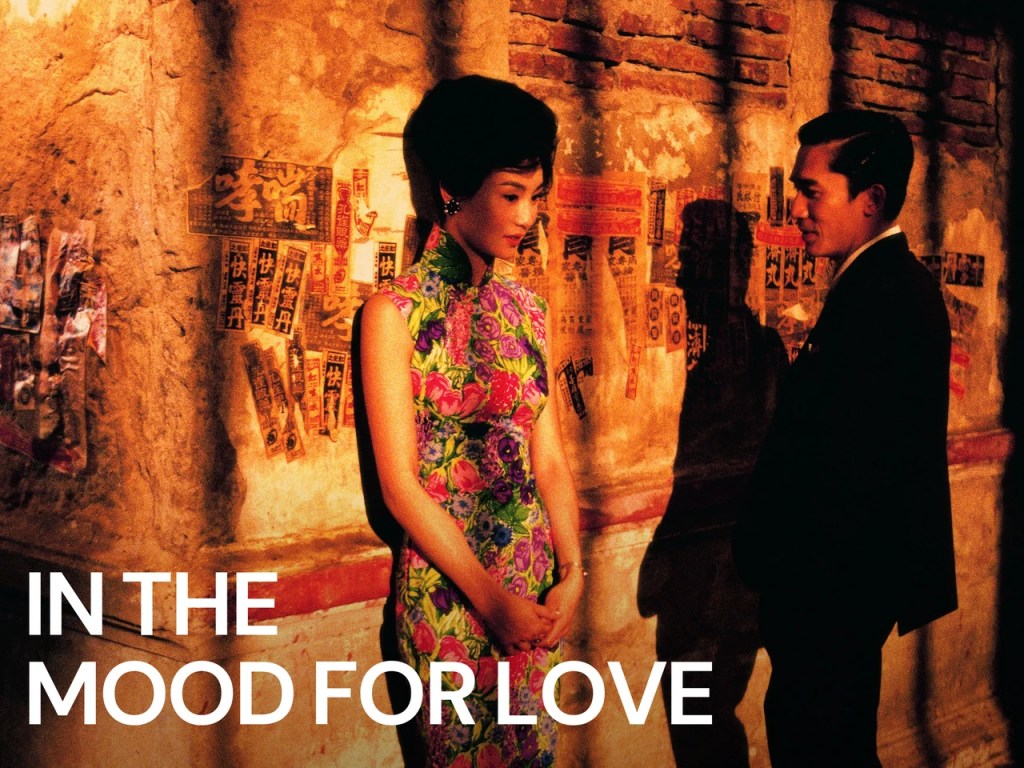
Set in 1962 Hong Kong, the film follows Mrs. Chan (Maggie Cheung) and Mr. Chow (Tony Leung), neighbors who gradually realize that their spouses are having an affair with each other. But this revelation is not delivered in melodrama. Instead, Wong Kar-wai builds emotion through fragments: a handbag that should not match, a tie purchased twice, the polite silence of two people who begin to understand something painful without ever saying it directly.
What follows is not revenge, nor scandal, nor catharsis but a feeling to comprehend their spouse with possibility of connection, and the impossibility of allowing that connection to become anything more.
The first thing i notices is how often the shot in tight spaces — narrow hallways, cramped apartments, small restaurants where the steam folds around the air. Wong frames characters through doorways, behind objects, in reflections. They are visible but distant, intimate yet unreachable. This visual strategy mirrors their emotional state: close, but never quite touching.
Wong Kar-wai and cinematographer Christopher Doyle paint the world in warm, smoky ambers and the deep reds of nostalgia. Maggie Cheung’s cheongsams, each cut with elegant precision, move like emotional weather and her costume changes are expressions of mood, seasons of her internal landscape.
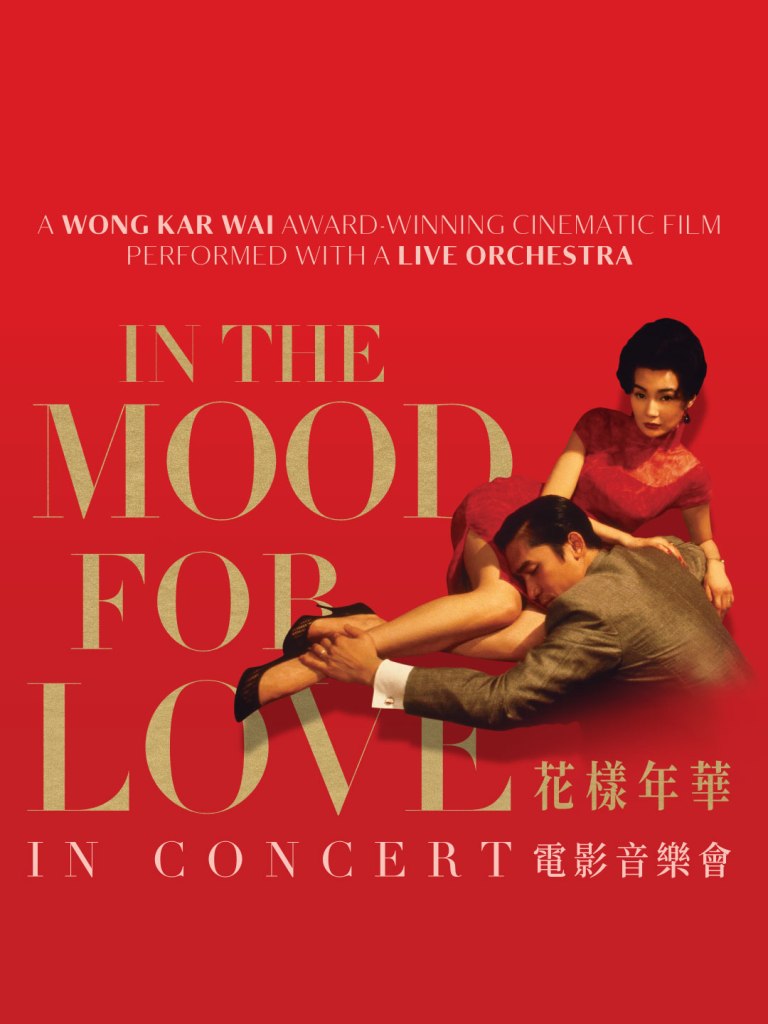
The camera lingers, sways, follows gently behind, like someone afraid to disturb a fragile memory. Combined with Michael Galasso’s violin theme and the looping Spanish vocals of Nat King Cole, the film creates a rhythm of longing pulse that beats beneath every slow-motion corridor walk. It all create a cinema as emotion with no explanation.
One of Wong’s most brilliant choices in the film is the motif of the “rehearsal.” That brings all the plot together. Chow and Chan, unsure of how their spouses began their affair and want to comprehend, begin to act out possible scenarios. At first, these rehearsals which look like analysis attempts to understand betrayal slowly transforms. The way they practice
conversations becomes a form of emotional exposure and language never spoken. They speak lines intended for their spouses, but the subtext is entirely theirs.
In those moments, performance becomes confession. Rehearsal becomes intimacy. And romance becomes something they feel but cannot claim.
Time in In the Mood for Love does not march forward. It loops gently. Some scenes were repeated, staircases, narrow alleys, shared meals and each repetition gains weight. This creates a strange emotional truth when the two grow closer, we feel their restraint pulling tighter, and we understand that their story is not about action but about everything they keep themselves from doing.
Characters’ refusal and promises to each other throughout the movie was most quietly powerful elements. “We won’t be like them.” Seems strong yet it is fragile, almost desperate. But it formed moral backbone of the entire story.
They choose dignity over desire. Restraint over passionate release. Memories over desire.
For many movie, that choice would be the end of passion. But Wong shows that restraint can be erotic, where the unsaid can be louder than any declaration, that love sometimes becomes purer precisely because it remains unacted upon.
This is the rarest kind of romance the one where ethics sharpen, rather than dull, emotion.
A Personal Reflection —In the Mood of Me (Spoilers Included)
This film affects me not simply because it is beautiful and breathtaking but also because it is emotionally honest in a way few films dare to be.
Most romances reward longing with fulfillment. But only in a few movie the reality, and the memory, are rarely so generous. Yes, I see you Summer and Mia.
This film has the courage in telling a story where the most important thing never fully happens, yet still shapes beautiful story of a lifetime. The film trying to tell that some relationships are defined not by passion realized, but by passion restrained. And for me personally find that extraordinarily true.
Many of us carry memories of people we almost loved, relationships we almost entered. And sometimes maybe in those almost-love situation shape us more deeply than the relationships
when we actually lived it. Chow and Chan’s connection becomes one memory that refines them, quietly, for the rest of their lives.
This is not a film that consoles. It tell a story, It accompanies, It stays.
At the start we are entertained by the unexpected events from the moment Chow and Chan move into neighboring apartments on the same day. Chan lockout from her apartment and have to silently stay in Chow room. Chow and Chan eat sesame soup and mustard steak together. The exchange politeness that slowly shifts into unspoken recognition that they are both being betrayed.
In the middle a bond of creative partnership becomes a soft, almost joyful interlude. A brief season where they can be close without breaking their own rules. Closer to the end, time become their mortal enemy from Chan arrived too late for joining Chow. Chow doesn’t show when Chan visits his room. A heartbreak so quiet it barely makes a sound.
The film ends not with reunion but with silence. Not with catharsis but with memory. Chow and Chan never find their way back to each other, not because they lack love, but because the world, timing, and their own sense of dignity keep them apart. And yet, their connection endures not as a relationship, but as a secret, a preserved fragment of their past and their silent desire.
When Chow whispers his unspoken love into the stone hollow at Angkor Wat, sealing it with mud, he performs an act of emotional longing : he buries a love too fragile to expose and at the same time too important to discard. Years later, both return to the old apartment building at different times. They walk the same streets, but never meet. Their lives remain in two parallel lines. In Indonesia we sometimes call it with a phrase “far from the eyes but close to the heart”
Their love becomes a memory and that the most truthful kind of love this film could offer.
Ultimately, In the Mood for Love is a story about the lives we don’t live, the words we don’t say, and the feelings we carry quietly across time. It understands that some emotions become more profound precisely because they remain unresolved. And in that unresolved distance between two heartbeats, Wong Kar-wai finds poetry of aching hearts that lingers in eternity.




 BOARD OF WONDER
Leave a comment